Challenging Innovation — High-Grade Castings for the World
Copper-alloy and stainless steel castingsTakaoka, Toyama, Japan
Ueda Metal Works: Cast large.Machine precisely.
Founded in 1929. Approaching our 100th anniversary in 2029.
- Sand casting
- approx. 5 kg to 2 t
max. Φ2,000 × 2,000 L - Minimum order
- 1 piece, as a rule
Ueda Metal Works began in Osaka in 1929, making copper-alloy castings for ships. Today, in Takaoka, Toyama, we pour castings of up to approx. 2 t and deliver them as parts, finished by our own machining and the precision machining of our group.
Video content (on-screen text in Japanese): drawing lines appear with the words “From a single line, a form is born.” Then screens and photos of each step in order: 01 Design, 02 Simulation, 03 Pattern, 04 Molding, 05 Melting, 06 Tapping, 07 Pouring, 08 Machining, 09 Products. It closes with “From drawing to a sound form. Consistent from design to machining.”
- Sand casting
- approx. 5 kg to 2 t, max. Φ2,000 × 2,000 L
- Centrifugal casting
- Φ120–Φ800
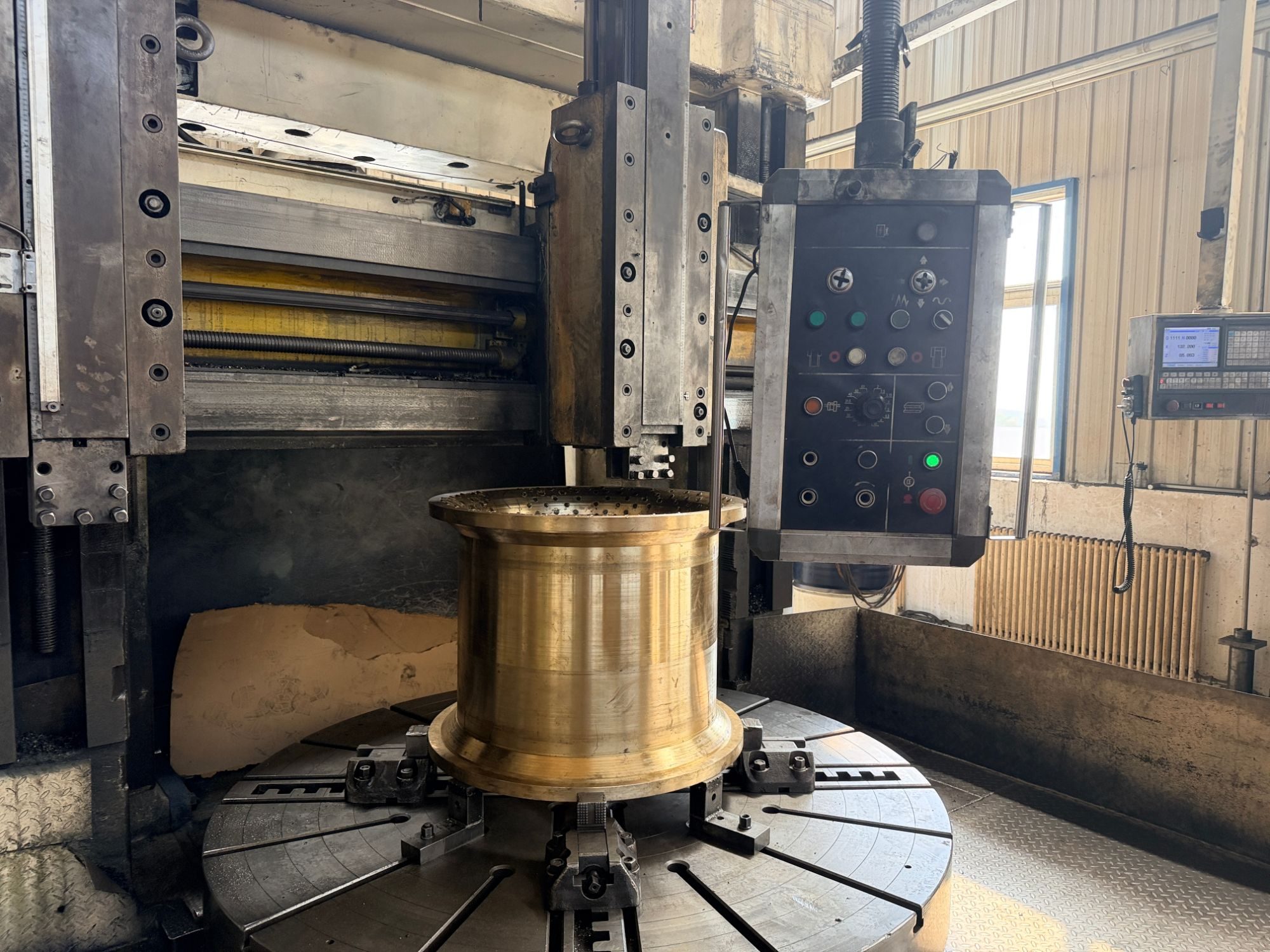
- Machining
- max. Φ1,850
- Precision turning (group company Hayahoshi Seiko)
- OD φ5–600 mm
- Minimum order
- 1 piece, as a rule
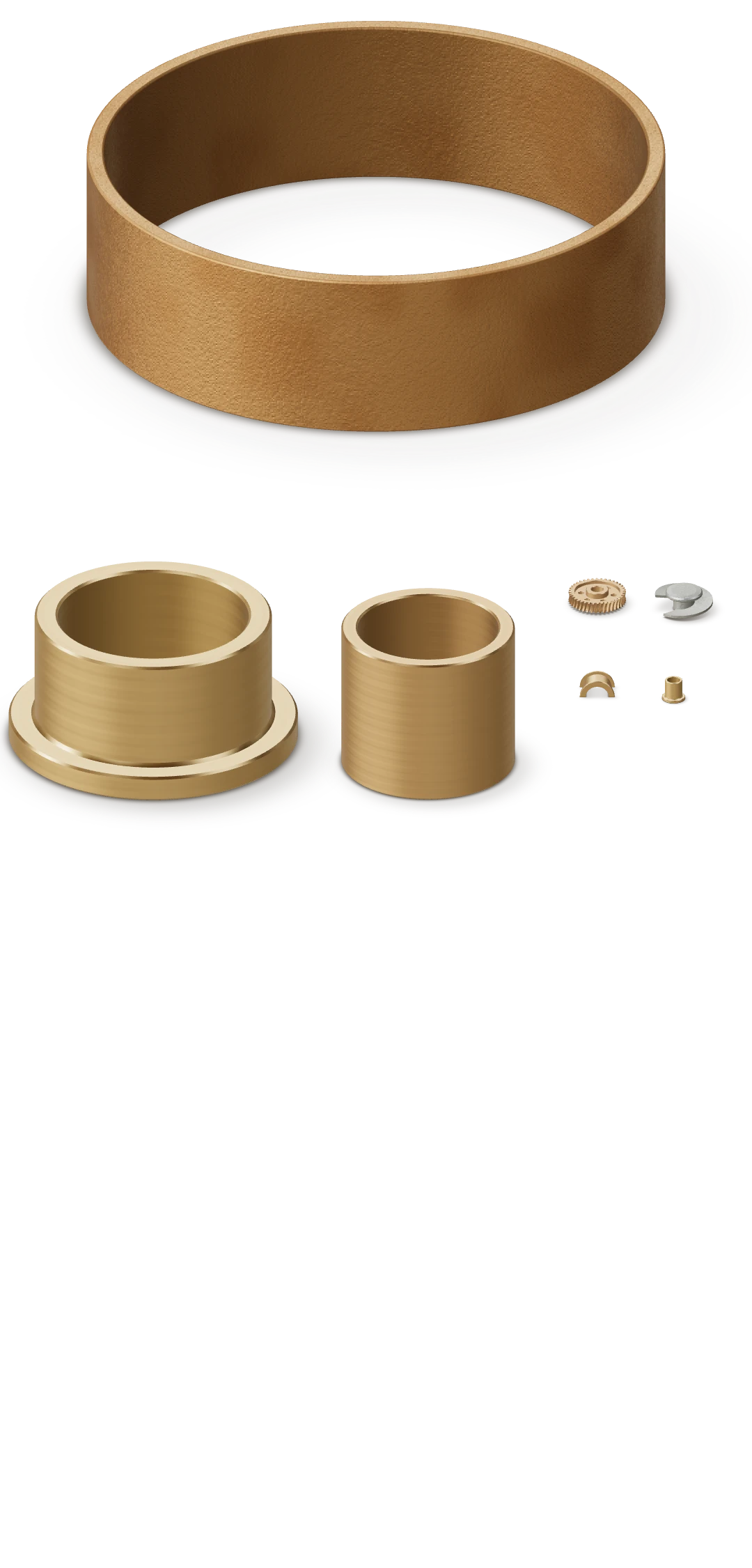
Chapter I, Scale
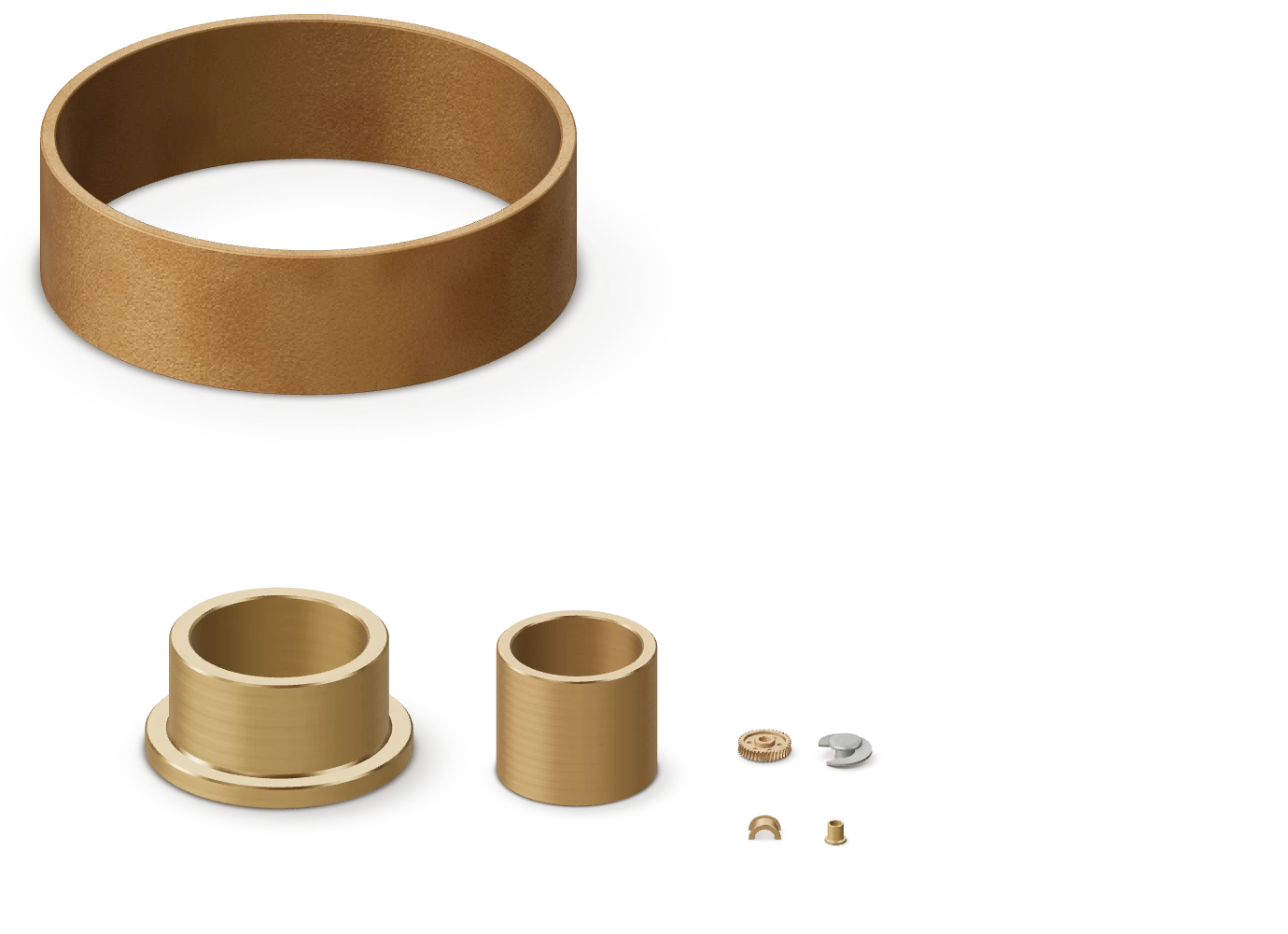
We cast a wide range of pieces, from small parts to large castings.
To cast large pieces, everything has to match: the furnaces that melt, the cranes that lift, the sand molds, and the lathes that cut. As a rule, we accept orders from a single piece (this depends on the material).
Using the right material, the right casting, and the right machining is a skill that cannot be learned in a short time.
From the Ueda Metal Works products page
Chapter II, Fire and Hands: Every step passes through human hands.
Large copper-alloy castings mean more metal to melt, more sand for the mold, and more weight to lift. We keep the work in-house, from pattern making and checking the chemical composition of the melt to pouring and finishing on the lathe.
Craftspeople in full command of their equipment. The result: consistent quality.
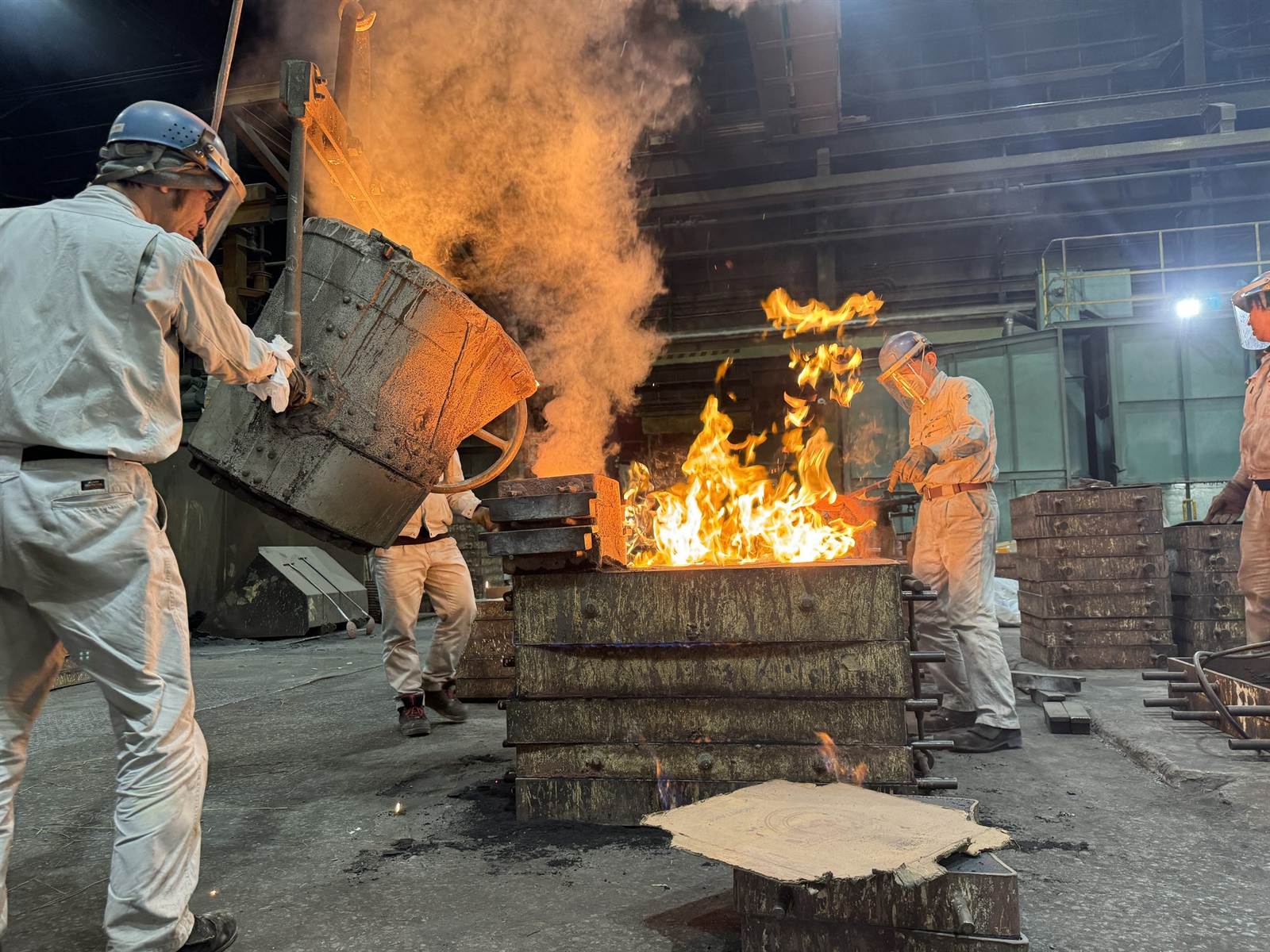
From the process albumFour scenes, from pattern to machining
-
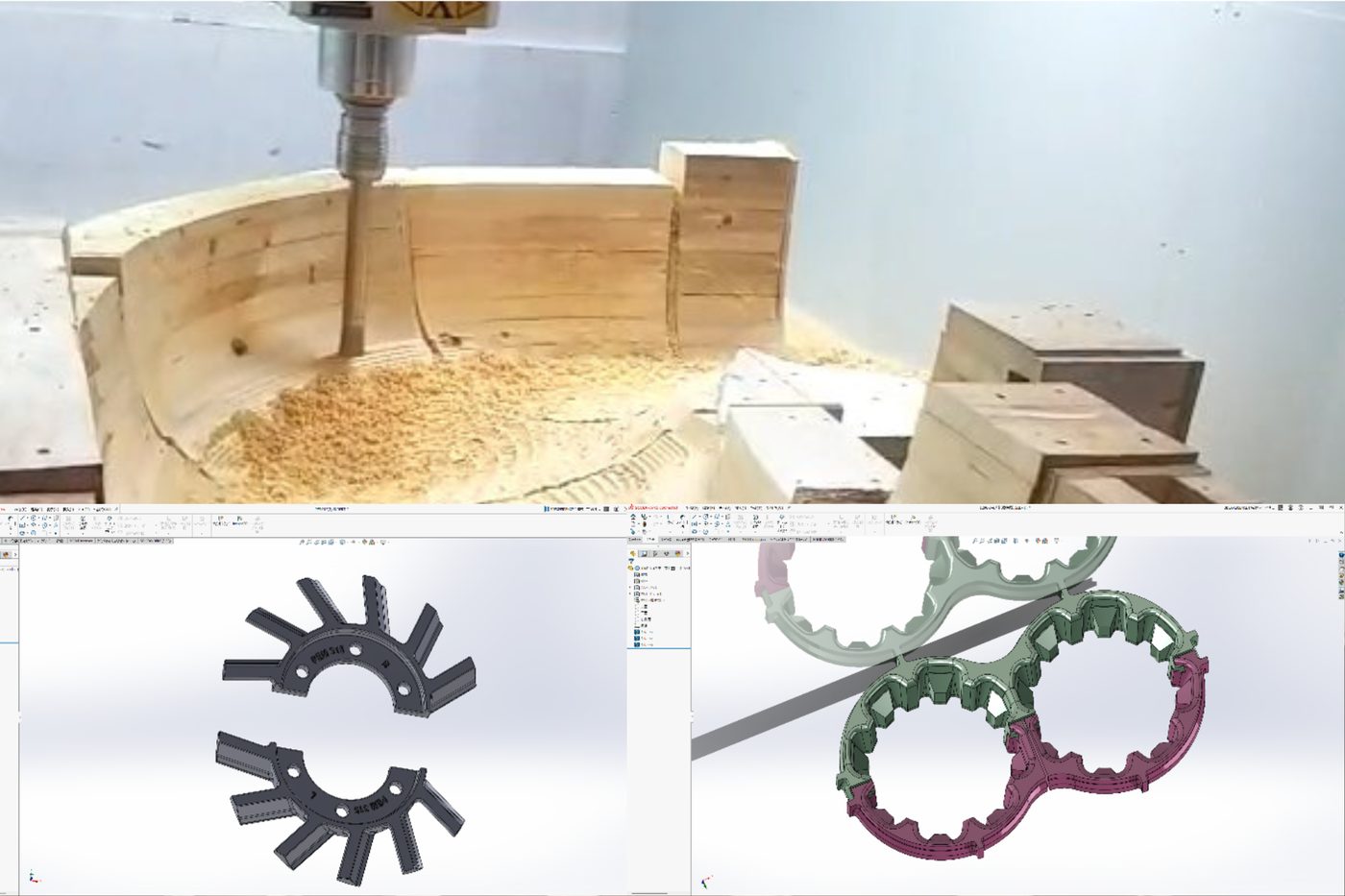
1Cutting the pattern -
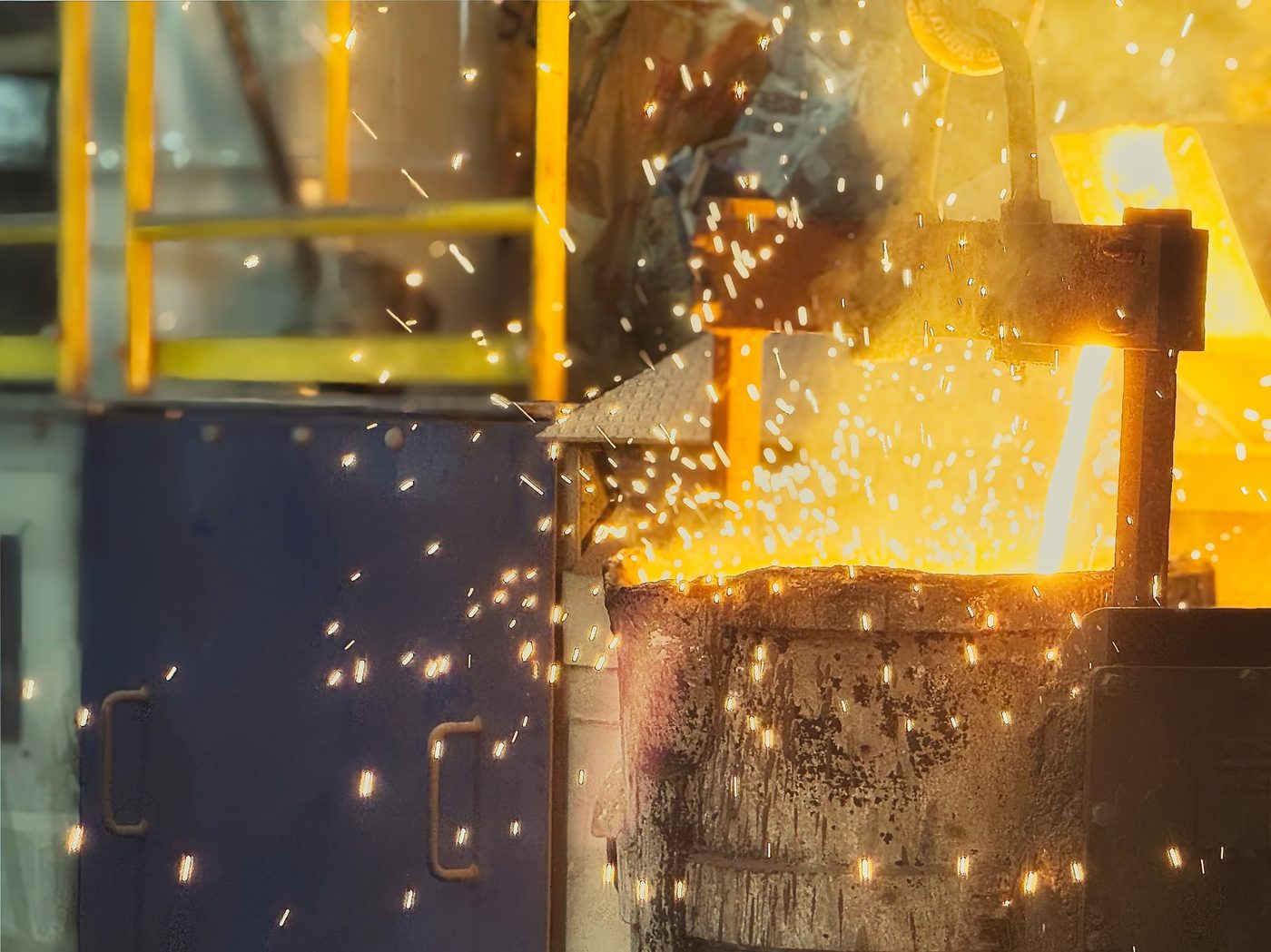
2From furnace to ladle -
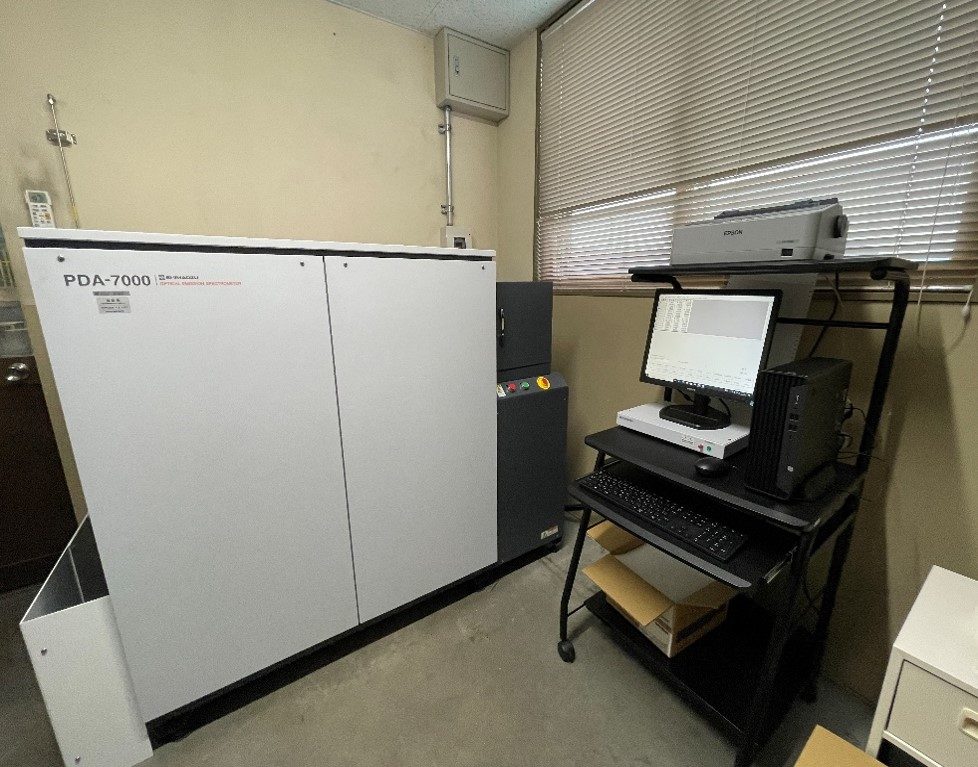
3Checking the chemistryShimadzu PDA-7000 -
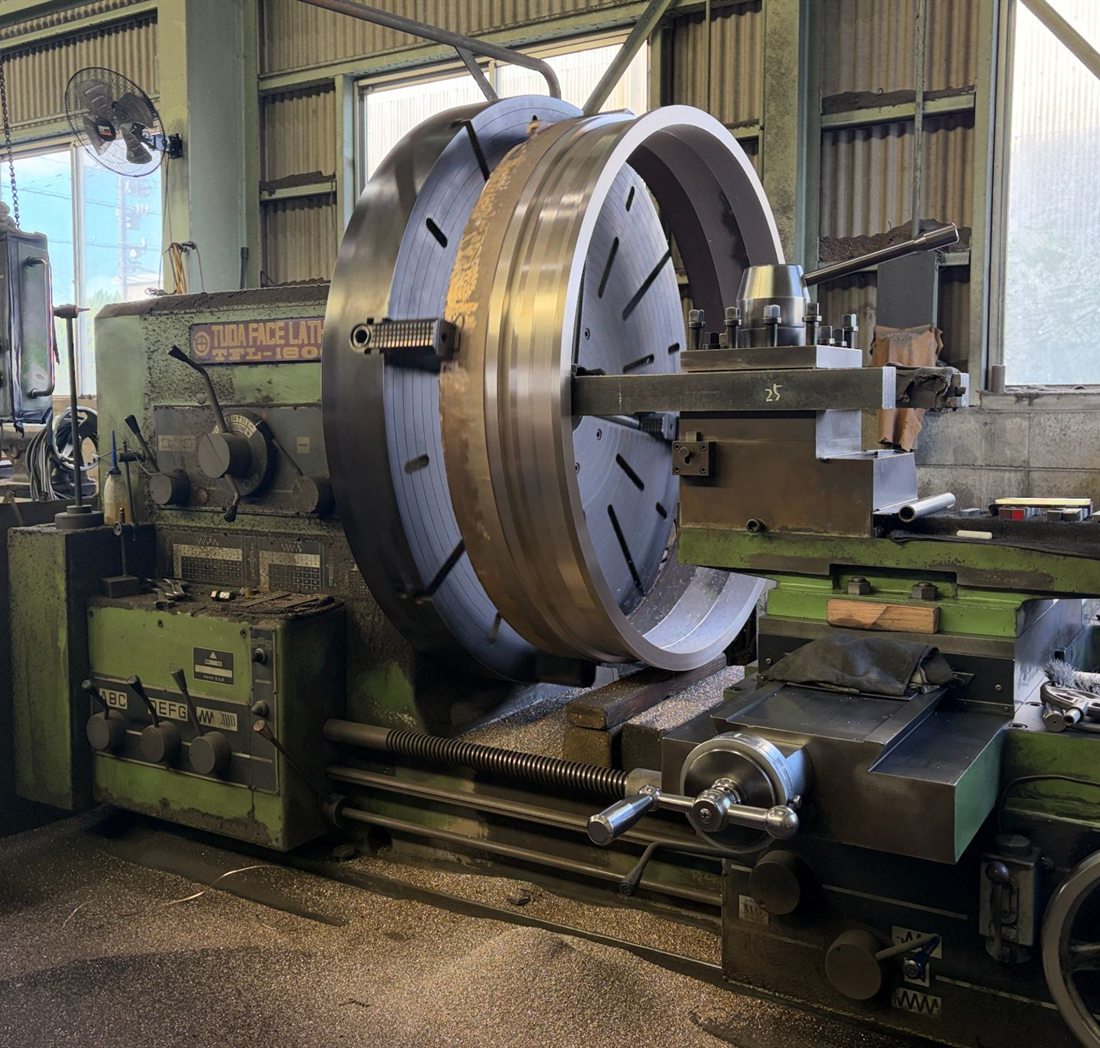
4Turning on the lathe
Chapter III, Hand-off: A casting becomes a part, hand to hand.
Castings poured and machined at Ueda Metal Works that need still finer finishing are machined by Hayahoshi Seiko, our group company. Founded in 1963, Hayahoshi Seiko handles precision turning of φ5–600 mm OD and runs from single prototypes to volume production on the scale of 600,000 pieces a month. It is ISO 9001:2015 certified.
Sizes and quantities beyond what Ueda Metal Works can cast are sourced by our parent company, Co Creation, through its network in Japan and overseas.
However many hands a casting passes through, you have a single point of contact: Ueda Metal Works.
Ishimaru, TakaokaUeda Metal Works
Co Creation
Fuchu, Toyama CityHayahoshi Seiko
| Founded | Company | Location | Role |
|---|---|---|---|
| 1929Founded |  Ueda Metal Works Co., Ltd. |
Ishimaru, Takaoka, Toyama | Casting and machining (max. Φ1,850). Your point of contact. |
| 1963Founded |  Hayahoshi Seiko Co., Ltd. |
Fuchu, Toyama City, Toyama | Precision turning, OD φ5–600 mm, and volume production. ISO 9001:2015 certified. |
| 2018Established |  Co Creation Co., Ltd. (parent company) |
Ishimaru, Takaoka, Toyama | Sourcing of large and high-volume items beyond Ueda Metal Works’ range (sourcing track record: approx. 7 t in cast iron, approx. 3.5 t in stainless steel). |
Hayahoshi Seiko website (Japanese) (opens in a new tab)Co Creation website (opens in a new tab)
Chapter IV, A Century: Nearly a century of casting copper alloys.
Founded in Osaka, Ueda Metal Works moved its factory to Shinminato and then to Takaoka, making copper-alloy castings all along. Since the business succession in 2021, we have been working toward our 100th anniversary as a member of the Co Creation group.
1929Founded in Izuo, Taisho-ku, Osaka, making copper-alloy castings for naval ship parts
- 1944Moved the factory to Shinminato, Toyama, and resumed operations
- 1947Incorporated as Ueda Metal Works Co., Ltd.
- 1960Moved to a new factory in Nomachi, Takaoka, and opened a machine shop
- 1975Completed the Toyama Shinko Factory
- 2021Business succession by Co Creation Co., Ltd.
- 2023Introduced an optical emission spectrometer and a 500 kg high-frequency induction furnace. Formed a capital and business alliance with Hayahoshi Seiko Co., Ltd.
- 2024Acquired the Second Factory through business succession
- 2025Acquired the Third Factory through business succession. Replaced all heavy-oil furnaces with gas furnaces
Now: 2026
100th anniversary2029
What we have made
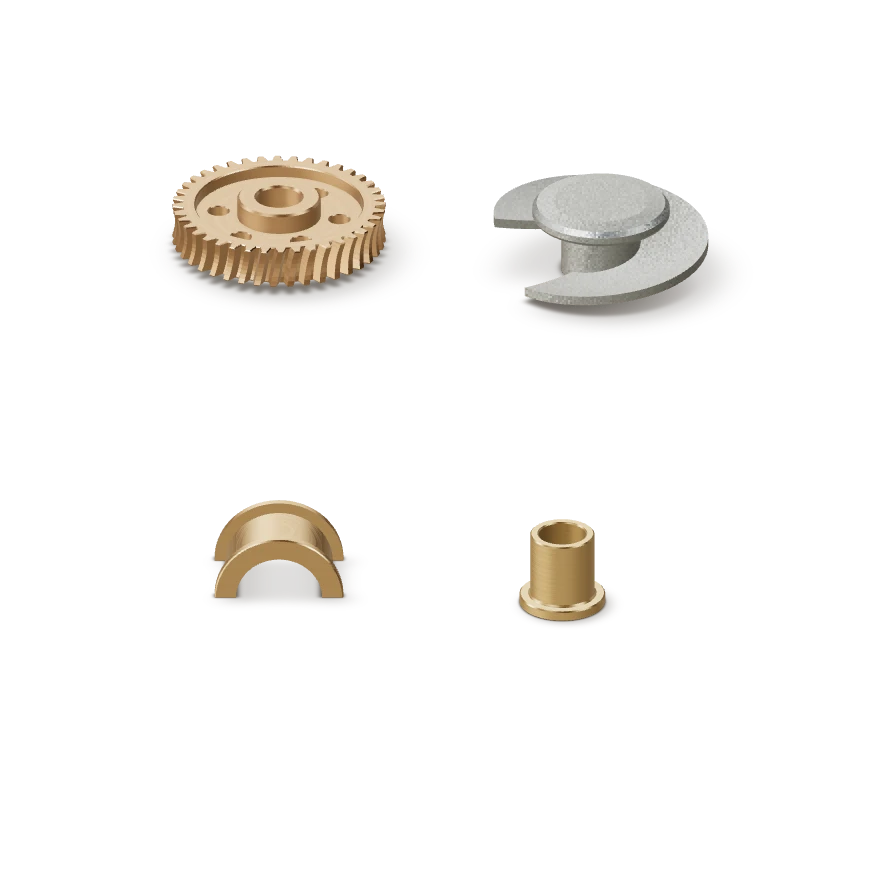
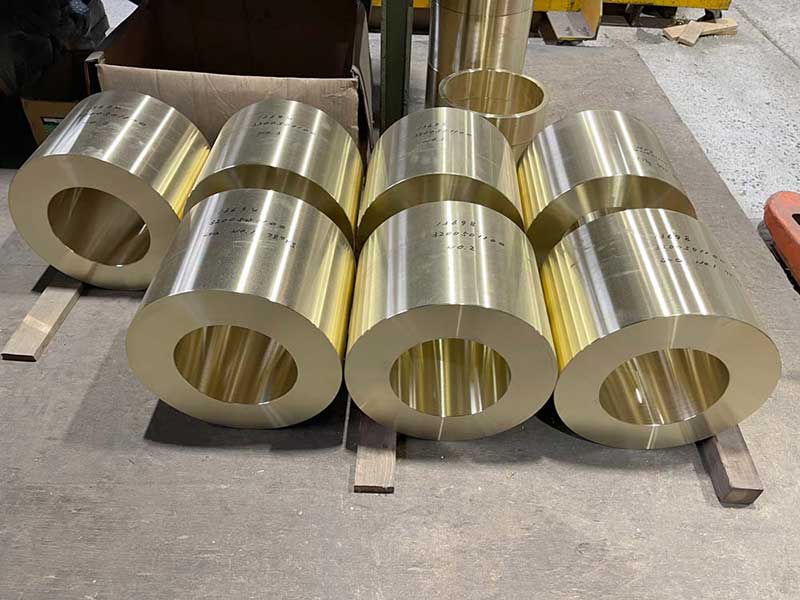
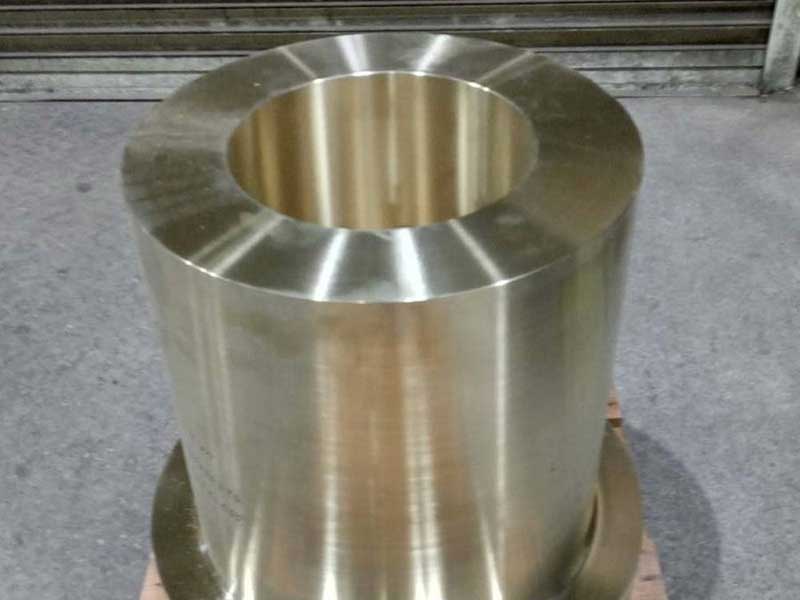
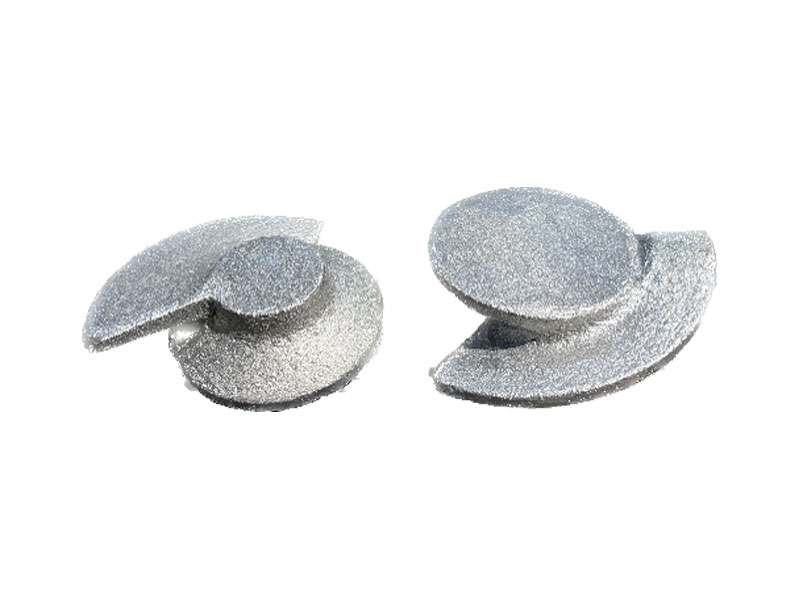
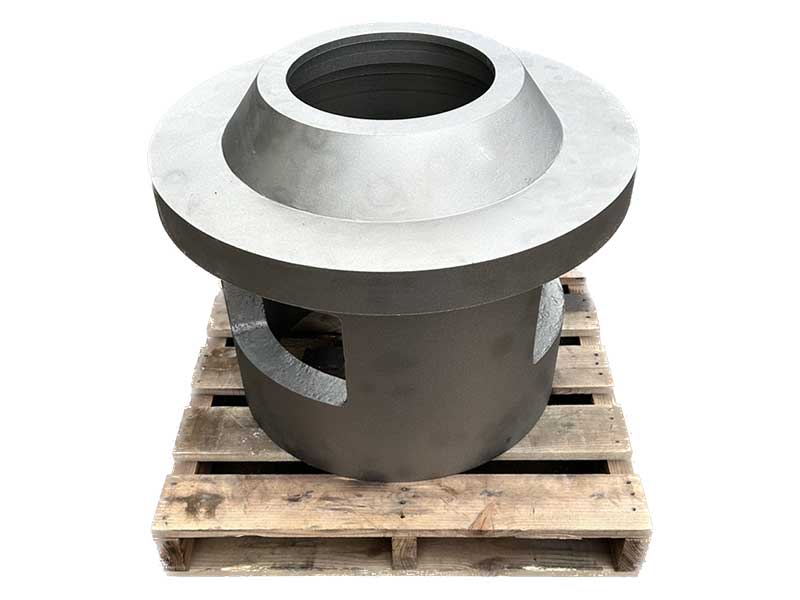
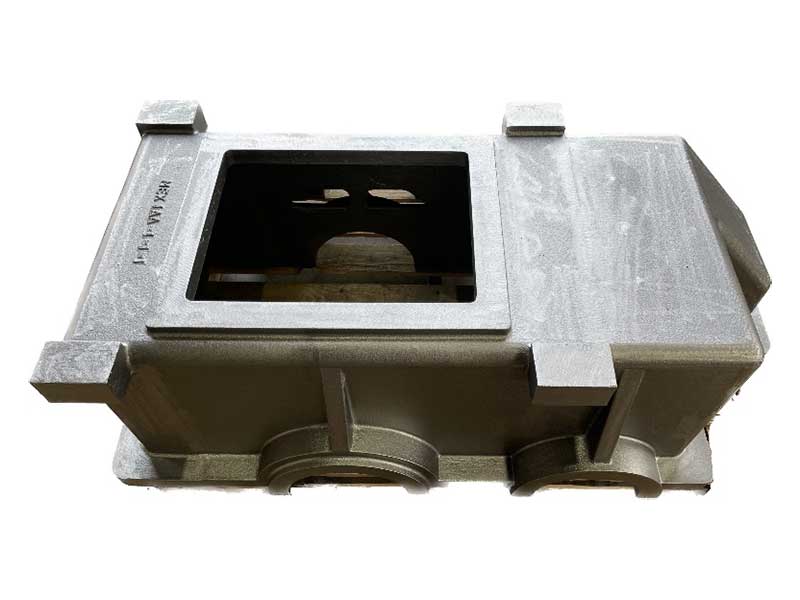
Plain bearings, worm gears, worm wheels, press bushings, gearboxes, and housings: parts for industrial machinery, construction machinery, ships, and pumps. If it is a casting, please get in touch.
A single drawing is enough to start.
If it is a casting, please contact us. Knowing the material, dimensions, weight, and quantity helps us prepare a quotation quickly. After we receive your inquiry, we will let you know how to send drawings.
Four things that help us quote: material, dimensions, weight, quantity
Example: CAC406, φ580 × 600, approx. 200 kg, 2 pieces
Ueda Metal Works Co., Ltd.708-1 Ishimaru, Takaoka
Toyama 934-0095, Japan
Mon–Fri, 8:00–16:45 JST (UTC+9)
Closed on weekends; please check with us about Japanese public holidays
FAX +81-766-84-8725